
Aspect 03
Start with service capability, then build sustainable local value
Localisation is sequenced, not promised. Each step is triggered by actual operating scale, job quality, local procurement capability and approvals — so industrial capability is built on demand that already exists.
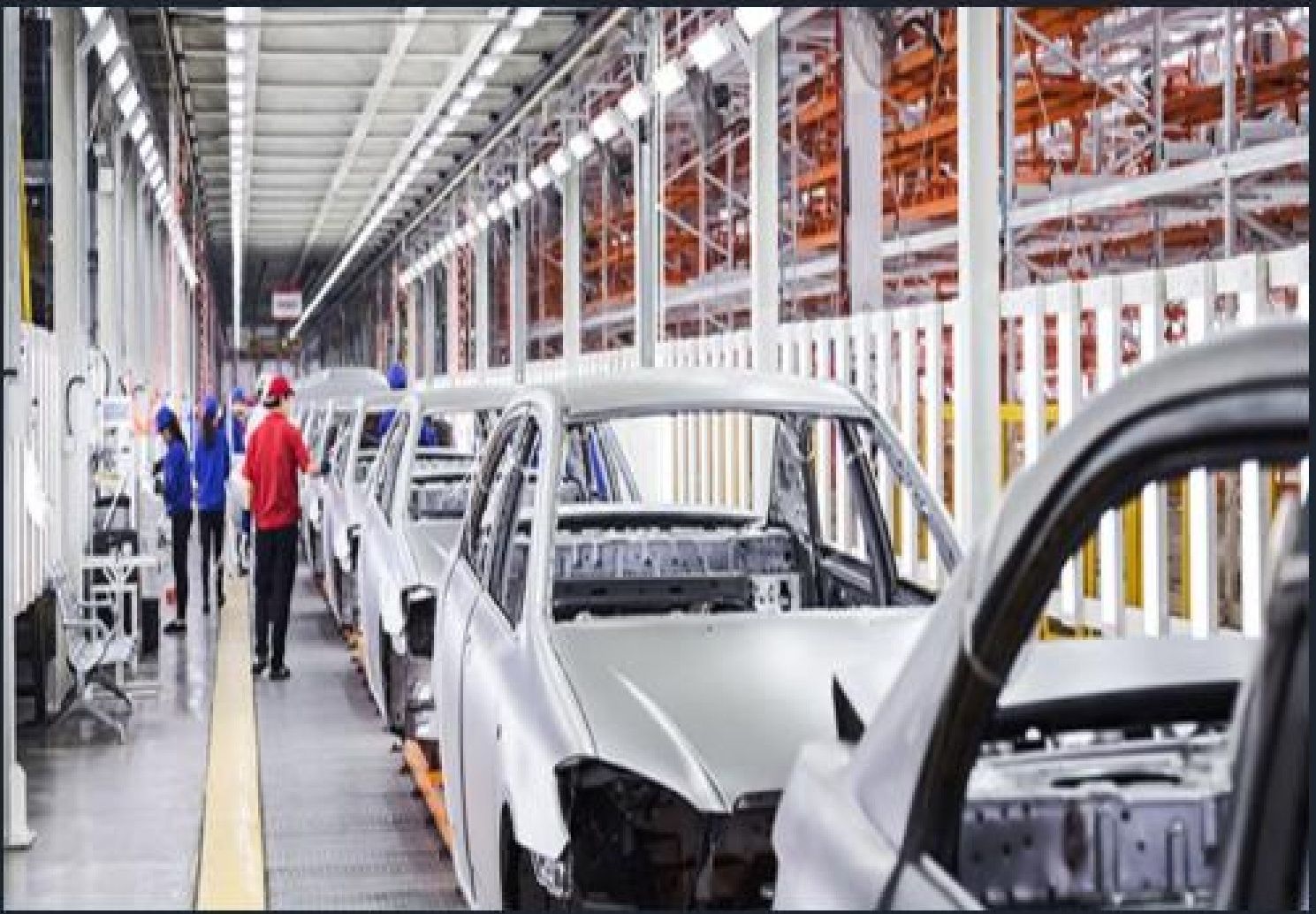
Employment
Jobs extend well beyond driving
Operations, technical and industrial roles are developed together with vocational institutions and youth employment programmes.
- Operations — drivers, fleet dispatch, customer service, safety and station operations
- Technical — EV maintenance, charging operations, storage maintenance, data and software support
- Industrial — parts logistics, service centres, quality management, assembly and supply-chain coordination
- Certified training and local hiring pathways, with women and youth participation tracked
Localisation roadmap
Three phases, each unlocked by evidence
Phase 1 · Service and maintenance
JUNO actions
Training, spare parts, repairs, quality control and customer service established in the pilot city.
Local benefit
Certified technicians, reliable vehicle availability and a local service base that keeps the fleet running.
Phase 2 · Local assembly
JUNO actions
Introduce light assembly when procurement volume, quality systems and supply-chain conditions are proven.
Local benefit
Assembly, parts logistics and quality management roles, plus deeper local procurement.
Phase 3 · Battery and circular services
JUNO actions
Develop pack, recycling, reuse and remanufacturing when operating scale and regulation support it.
Local benefit
Higher-value industrial activity and responsible battery lifecycle management on the continent.
Continental view
Building African capability, not African dependence
Service depth, certified skills and local procurement come first, so that assembly and higher-value supply-chain activity have something to stand on when they arrive.